
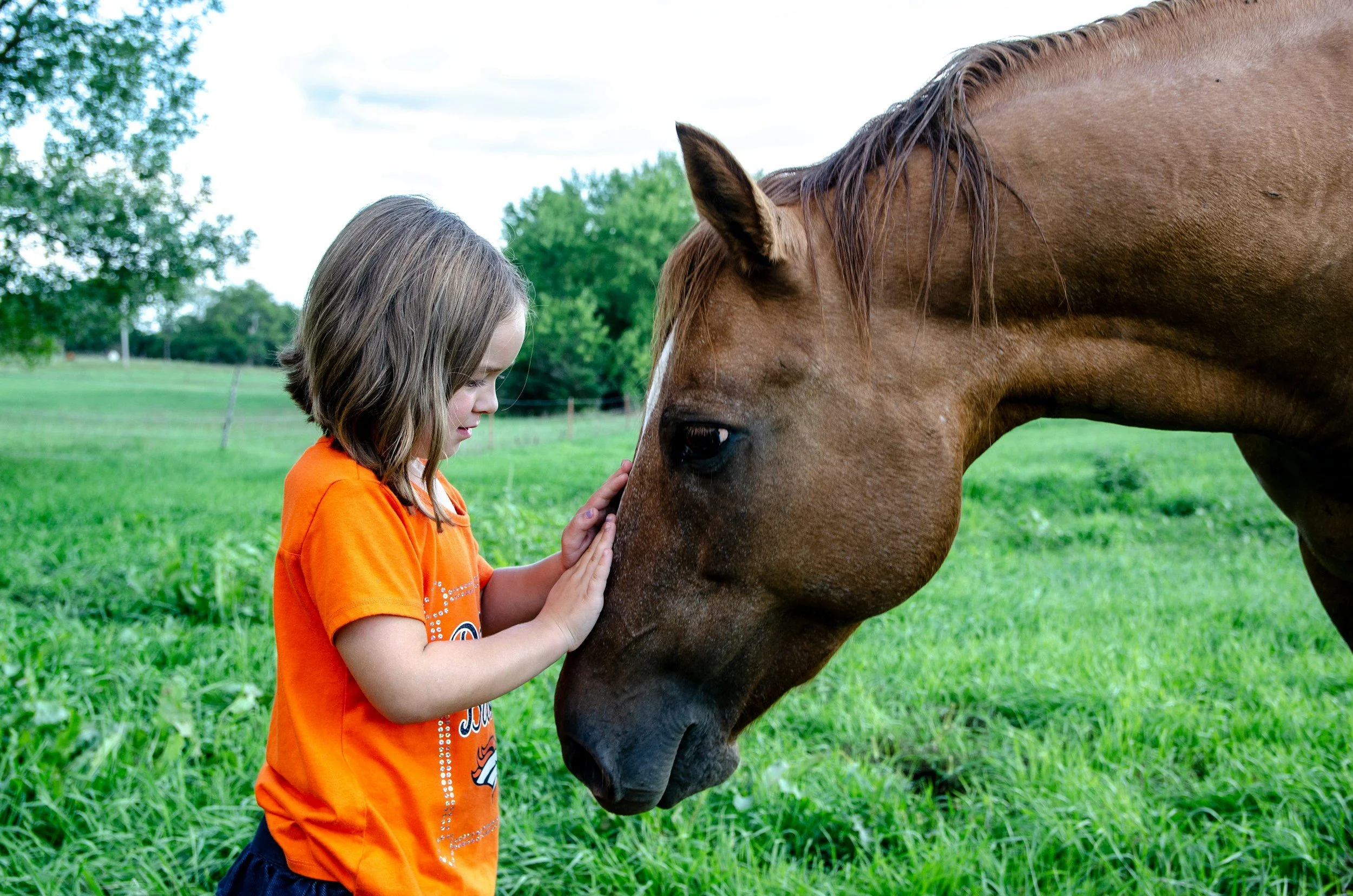
Equine Assisted Learning
Where Montessori Meets Nature, Movement & Emotional Intelligence
Equine Assisted Learning naturally extends the Montessori philosophy by connecting movement, sensory exploration, independence, and emotional awareness. Through caring for ponies, observing their behavior, and learning through guided experiences, children practice patience, focus, communication, and self-regulation while building meaningful connections with the natural world.This enrichment experience supports Park Schools’ commitment to self-awareness, experiential learning, and whole-child development.
What We Offer
Meaningful Learning Through Pony-Guided Experiences
Our program introduces children to horse connection and care, leadership-building activities, and emotional growth through safe, age-appropriate pony interactions. From grooming and feeding to leading ponies through simple guided paths, each activity is intentionally designed to nurture confidence, communication, patience, and resilience. Every session is rooted in trust-building, self-awareness, and hands-on discovery—helping children develop life skills they carry into the classroom and beyond.
Learning Outcomes
Skills Children Build
Every equine session is intentionally designed to strengthen the skills that matter most in early childhood—emotional regulation, focus, confidence, empathy, responsibility, leadership, resilience, and problem-solving. Through calm, guided pony interactions, children learn how to manage emotions, stay present, communicate with intention, and respond thoughtfully to real-world situations.
More than simply spending time with ponies, this experience helps nurture capable, confident, compassionate, and self-aware learners who carry these life skills into the classroom, relationships, and everyday growth.
How Sessions Work
A Calm, Guided Learning Journey
Each session is designed for small guided groups and led by a trained equine learning partner alongside Park Schools staff. Children participate in age-appropriate on-ground pony experiences that include observation, grooming, leading, reflection, and simple journaling moments.
Families can clearly see whether the experience is offered weekly, seasonally, or as a special enrichment add-on, helping them choose the best fit for their child’s developmental journey.